



FISH MAW: Why it’s a treasured and coveted delicacy
Fish maw, which is made from the swim bladder of large fish, is a key ingredient in traditional Chinese cuisine.
They are most commonly cooked in soups and are regarded as a premium luxury item.
At the Star Group, advanced drying techniques are used in a controlled environment with specialized equipment to remove moisture while preserving the fish maw’s texture, flavour, and nutritional content.
Sourced from the pure, pristine cold waters of New Zealand, ling fish maw is used from suppliers with fishing practices that are focused on sustainability.
In some Asian cultures, particularly the Chinese, fish maw holds cultural significance and is cherished for its purported health benefits and texture. It is often used in festive and celebratory meals, symbolizing wealth and prosperity.
When cooked, the fish maw’s gelatinous texture absorbs the flavours of added ingredients and becomes a luxurious addition to stews and soups.
Dried fish maw needs to be rehydrated before cooking, and this involves soaking in water until it softens and expands.
Fish maw has been treasured for centuries by the Chinese as one of their traditional premium delicacies alongside sea cucumber, abalone, and shark fin.
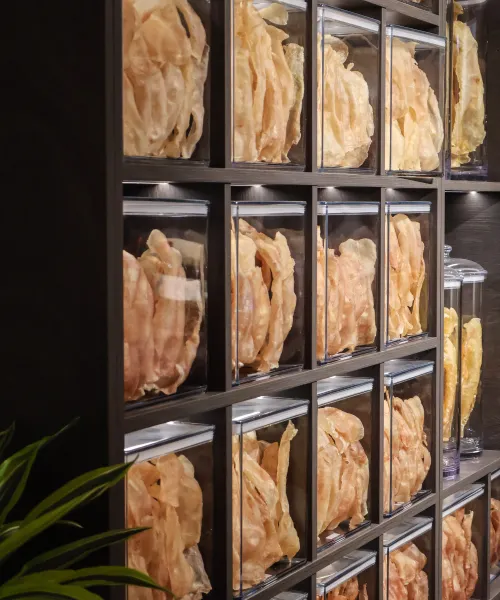
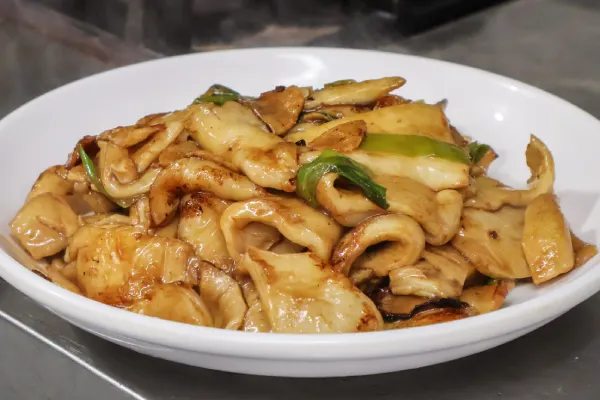
Its almost neutral taste and ability to absorb flavours make it popular for chefs to infuse it in many ways into their dishes.
Most commonly found in Cantonese restaurants, dishes that showcase fish maw include fish maw soup, often served during Chinese New Year (symbolizing prosperity and good fortune) and wedding banquets, braised with ginger and mushrooms, creating a gentle comforting warmth and earthy indulgence.
Fish Maw is versatile, meaning there are many ways to cook them. However, they are typically soaked and rehydrated, and then added into soup, stews or braised.
To get the best out of the fish maw, the key is to cook them in a gentle, slow-cooking process until they becomes succulent and tender while ensuring they soak up the essence and flavours of the accompanying ingredients, spices, and broths.
Fish maw can be paired with many ingredients, but is popular for use with rich soups featuring abalone, chicken, and pork, which enhances its flavour without overpowering it.
Traditional Chinese Medicine offers a comprehensive perspective that foods and herbs offer benefits in maintaining and improving health, alongside nutritional benefits.
Fish maw is believed to offer various health benefits, including promoting skin health to help maintain a youthful appearance, aiding the recovery of new mothers after childbirth, and enhancing overall well-being.
Overseas, the fish maw trade has been linked to targeting endangered fish species, but it isn’t the case for the Star Group where sustainability of practices are a priority.
The fish used, the New Zealand ling (Genypterus blacodes) is considered a sustainable seafood choice with fishing methods that is certified by the Marine Stewardship Council, a global standard for sustainable fishing.
This certification means that the ling stocks are healthy, the fishing practices minimize environmental impact, and there is effective management of the fishery.
Customers can remain confident that partnering with the Star Group and the consumption of our fish maw and other dried seafood products does not compromise the health of our oceans or come at the expense of our marine ecosystem.
got a question?
Discover the pinnacle of fish maw excellence with Star Group Corp.
Experience our premium range today.